
Table of Contents

The Spiritual Power of Women: From Ancient Faiths to Modern Leadership
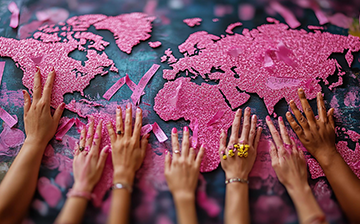


Throughout history, women have been the backbone of spiritual practices, leadership, and cultural transformation. From ancient religious rituals to modern-day leadership positions, women have continuously shaped the world with their spiritual power, often in ways that went unnoticed or uncelebrated. Yet, in every era, across every faith, their roles have been integral to the survival and growth of communities. In The Woman Factor by Olugboyega Theophilus Oyelowo, the author explores the profound spiritual power women hold and how it has affected leadership in both religious and secular spheres. This blog delves into the spiritual influence of women across various religious traditions and how their leadership continues to guide and inspire societies today.
The Spiritual Foundation: Women in Ancient Faiths
From the earliest religious texts to indigenous spiritual practices, women have always been seen as influential figures, not just as bearers of life, but as spiritual leaders who guide communities. In many ancient faiths, the divine feminine was revered and celebrated for its qualities of wisdom, intuition, and nurturing power.
In Hinduism, for example, women are not only seen as sacred but are also worshipped in the form of goddesses. Shakti, the cosmic feminine energy, is recognized as the source of all creation, strength, and transformation. Goddesses like Durga, Lakshmi, and Saraswati embody different aspects of this divine feminine force, from protection and wealth to knowledge and wisdom. Women, therefore, are not simply followers of faith in this tradition—they are active participants in the spiritual realm, reflecting divine attributes that shape the world.
Similarly, in ancient Egyptian spirituality, goddesses such as Isis and Hathor were central figures in both the religious and social spheres. Isis, known for her wisdom, healing powers, and devotion, was considered one of the most powerful deities in the Egyptian pantheon. Her role in guiding the gods and the living world demonstrated that spiritual power was not restricted to the male gods alone. These ancient traditions illustrate that women were not only revered as spiritual beings but also played active roles in shaping religious and cultural channels.
Women as Spiritual Guides in the Abrahamic Faiths
While the roles of women in ancient faiths were often marked by divine worship, the Abrahamic religions—Christianity, Islam, and Judaism—also contain profound examples of women as spiritual leaders, though these roles have often been marginalized or overshadowed by patriarchal interpretations of sacred texts.
In Christianity, the figure of Mary, the mother of Jesus, represents the ultimate spiritual power and devotion. Her role as the “Mother of God” is a powerful symbol of femininity and grace. She is revered not only for her purity and maternal love but also for her role as a co-participant in the divine plan. Despite her central role, historical interpretations often relegated Mary’s significance to that of a passive, submissive figure. However, contemporary interpretations are reclaiming her as a figure of strength, wisdom, and leadership.
In Islam, the role of women is complex, yet deeply influential. The Qur’an explicitly states that women and men are equal in the eyes of God, both deserving of dignity, rights, and respect. Women like Khadijah, the first wife of Prophet Muhammad, and Aisha, a scholar and political leader, exemplify how women in Islam played significant roles in spiritual leadership. Khadijah, a successful businesswoman, was not just the Prophet’s wife but also his confidant and first believer, offering emotional and financial support in the formative years of Islam. Aisha, on the other hand, became a source of knowledge, jurisprudence, and political leadership, influencing Islamic law for generations.
In Judaism, women have often been seen as the keepers of spiritual traditions. Figures like Deborah, a prophetess and judge, and Esther, a queen who saved her people, have always stood as examples of how women played essential roles in guiding their communities spiritually and politically. These women led with wisdom, strength, and courage, acting as catalysts for change and peace.
The Modern-Day Spiritual Leadership of Women
While the spiritual power of women has long been rooted in ancient and religious traditions, today’s world is witnessing an unprecedented rise in the visibility and authority of women in spiritual leadership roles. From religious movements to political revolutions, women are reclaiming their power and shaping the spiritual landscape like never before.
In the 20th and 21st centuries, women have fought for, and largely succeeded in, breaking down the barriers that once restricted them from leadership positions in both the religious and secular worlds. The feminist movements and the ongoing push for gender equality have empowered women to not only lead their communities but also to redefine what leadership looks like. No longer confined to the domestic sphere or passive spiritual roles, women are now leading congregations, advocating for social change, and influencing political decisions globally.
In many Christian denominations, the role of women in leadership has evolved significantly. Women like Joyce Meyer, an internationally known evangelist, and Katharine Jefferts Schori, the first female Presiding Bishop of the Episcopal Church in the U.S., exemplify the changing dynamics of religious leadership. These women have used their platforms to inspire millions, challenging traditional gender roles and proving that spiritual leadership is not gender-specific.
Similarly, women in Islamic communities are breaking barriers and reshaping the interpretation of their faith. Scholars like Fatima Mernissi and Amina Wadud have written extensively on the role of women in Islam, advocating for reinterpretations of the Qur’an that emphasize equality and justice for women. These efforts have inspired countless Muslim women to claim their spiritual authority and leadership in both religious and secular spheres.
The Role of Women in Spiritual and Secular Activism
Women’s spiritual influence has never been confined to the walls of religious institutions. Throughout history, women have been at the forefront of social movements, using their faith and spiritual convictions to advocate for justice, equality, and peace. From the civil rights movements in the United States to the ongoing struggle for women’s rights worldwide, women have been key figures in shaping societal values and guiding communities toward a more equitable future.
One of the most prominent examples of this intersection of spirituality and activism is the work of women in the nonviolent movement. Figures like Rosa Parks and Dorothy Day, who combined their Christian faith with a commitment to social justice, helped shape major civil rights movements. These women embodied the spiritual strength that drove their activism—using faith as a source of resilience and inspiration.
In India, women like Mother Teresa and the late Malala Yousafzai have also demonstrated how spirituality and activism can work hand in hand. Mother Teresa, through her devotion to people experiencing poverty, and Malala, through her advocacy for girls’ education, have shown how women can lead with both compassion and conviction, impacting global society while staying deeply connected to their spiritual roots.
The Future: Women’s Spiritual Leadership and Its Global Impact
As we look to the future, women’s spiritual leadership will continue to evolve. The world is more interconnected than ever before, and with that comes a greater platform for women to influence religious and social discourse. In The Woman Factor, Olugboyega Oyelowo argues that the presence of women in leadership—both religious and secular—has the potential to reshape the world’s approach to spirituality, governance, and justice.
Women are reclaiming their roles as spiritual guides, not just in the home or in religious ceremonies, but in the global arena. Their voices will continue to challenge outdated norms, redefine power structures, and inspire future generations to create a world where gender equality is a cornerstone of spiritual and social progress.
In conclusion, women’s spiritual power has always been a force that shapes societies, communities, and individuals. From ancient traditions to modern leadership, women have shown that their spiritual strength is not only transformative but also necessary for the growth and stability of the world. As we move forward, we must continue to honor and empower women in spiritual leadership, ensuring that their voices are not just heard but lead us into a more just and compassionate future.