
Table of Contents
Redefining Womanhood: The Complex Intersection of Biology, Culture, and Identity
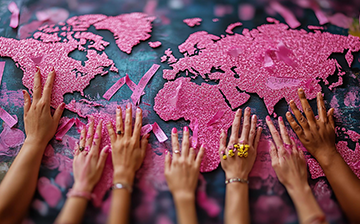


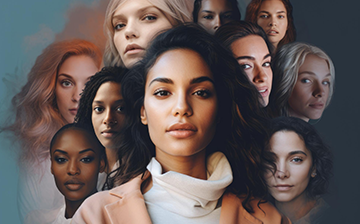
In a world where gender dynamics are constantly shifting, the definition of womanhood remains an ongoing conversation—one that weaves through biology, culture, and spirituality. The multifaceted nature of womanhood is more than just a biological assignment; it is deeply rooted in cultural interpretations, spiritual beliefs, and evolving societal roles. In his thought-provoking book, The Woman Factor, Olugboyega Theophilus Oyelowo explores the essence of womanhood, urging readers to reflect on how these diverse aspects intersect and shape women’s roles across the globe. By examining the biological, cultural, and spiritual dimensions of womanhood, we begin to understand why its definition is as varied, as it is complex.
The Biological Dimension: The Starting Point of Womanhood
The biological perspective on womanhood is perhaps the most straightforward and universally recognized, rooted in physical traits that distinguish females from males. From an anatomical standpoint, XX chromosomes, reproductive organs, and the ability to bear children typically define womanhood. These biological attributes are deeply embedded in our understanding of what it means to be a woman.
However, while biology offers a foundation for understanding womanhood, it also reveals the limitations of defining women solely through their physical bodies. Biology doesn’t capture the entirety of a woman’s identity. It doesn’t address the emotional, psychological, or intellectual dimensions that make women who they are. Moreover, not all women experience their biology in the same way. Transgender women, for instance, may not fit neatly into the traditional biological framework, yet they still embody the essence of womanhood through their lived experiences and identities.
As Oyelowo highlights, biology provides only the starting point for the conversation on womanhood. It is the essence of womanhood that extends beyond reproductive function, embracing the core of what it means to be a woman in both personal and societal contexts.
The Cultural Dimension: Traditions, Expectations, and Societal Roles
Culture plays a pivotal role in shaping how womanhood is understood and expressed. Across societies, cultural definitions of womanhood often intersect with long-held traditions and norms, sometimes constricting women’s roles, while at other times celebrating them. These cultural frameworks often dictate women’s identities, roles, and expectations from a very early age.
In many traditional societies, the role of women has been confined to the domestic sphere, child rearing, homemaking, and caregiving. These cultural expectations can limit women’s opportunities for personal and professional development, reinforcing the idea that a woman’s worth is tied primarily to her capacity to nurture and support others. These roles are often glorified, as seen in many cultures that revere motherhood and the wisdom that women carry as caregivers. In such cultures, womanhood is celebrated as the pillar upon which families and communities thrive.
However, the cultural expectations around womanhood are not universal. In some parts of the world, women’s roles have expanded significantly. The feminist movements in the 20th and 21st centuries have challenged these narrow definitions, pushing for gender equality and the recognition of women as individuals with autonomy, ambition, and leadership potential. Women in the Western world, for instance, are now increasingly seen as leaders in the workplace, politics, and science, roles traditionally reserved for men.
Yet, even in these more progressive societies, cultural norms continue to shape perceptions of womanhood. Women are still often expected to juggle professional success with family responsibilities, and many continue to face systemic barriers to leadership roles. The cultural intersection of womanhood is complex, and while progress has been made, these challenges persist. Oyelowo’s exploration reminds us that womanhood cannot be fully understood without considering the deeply embedded cultural frameworks that influence women’s roles in society.
The Spiritual Dimension: Sacred Roles and Divine Feminine Energy
The spiritual dimension of womanhood is equally vital in understanding the complexity of women’s identities across the world. In many religious traditions, women are not just seen as caregivers or homemakers, but as sacred figures imbued with spiritual power. Spirituality often elevates womanhood to a divine level, acknowledging women as the bearers of life, wisdom, and moral authority.
For example, in Hinduism, women are revered as embodiments of Shakti—the divine feminine energy that sustains the universe. The goddesses Durga, Lakshmi, and Saraswati are not only worshipped but are also seen as powerful forces of creation, protection, and knowledge. This divine reverence for women highlights their role as not just nurturers but as cosmic forces in their own right. Similarly, in Islam, women are seen as equal in humanity and dignity to men, with the Qur’an offering spiritual guidance that elevates their role as mothers and moral pillars of society.
In Christianity, the Bible presents women as a “helper” to man, a term that has often been misinterpreted as a symbol of subservience, but in reality conveys a deeper meaning of strength, support, and complementarity. Oyelowo explores how the original Hebrew word “ezer,” used to describe women in Genesis, refers to a source of help and strength not in a subordinate sense, but as a vital partner in fulfilling God’s purpose for humanity.
However, despite the reverence for women in these spiritual traditions, many religious doctrines have historically placed limitations on women’s spiritual authority and leadership. In some Christian denominations, women are excluded from certain leadership positions in the church. In Islamic societies, women’s participation in religious leadership is often restricted. The contradictions where women are both revered and restricted ,reveal the tension between the spiritual elevation of womanhood and the patriarchal structures that often govern religious institutions.
The Intersection of Biology, Culture, and Identity
When we bring together biology, culture, and spirituality, we see that womanhood is far from a one-dimensional concept. It is an ever-evolving identity shaped by both internal and external forces. The biological foundations of womanhood may define the body, but the cultural and spiritual dimensions give it depth and richness.
For example, Oyelowo highlights how cultural norms and spiritual beliefs influence women’s experiences and identities in diverse ways. In some societies, womanhood is equated with motherhood and caregiving, often pushing women to conform to roles that restrict their autonomy. In contrast, other societies celebrate the diverse expressions of womanhood, from leaders in business and politics to scientists and artists, offering a more expansive view of what it means to be a woman.
Spirituality also plays a key role in how women navigate their identities. In many spiritual traditions, womanhood is synonymous with divine power and purpose. Yet, the intersection of these sacred beliefs with patriarchal practices can lead to contradictions. Women may be revered in the spiritual realm, but cultural and institutional norms may still constrain their roles in the secular world.
Conclusion: A Complex, Evolving Definition of Womanhood
In conclusion, womanhood is not a fixed concept but a dynamic intersection of biology, culture, and identity. As societies evolve, so too does the understanding of what it means to be a woman. The interplay of biological traits, cultural norms, and spiritual beliefs creates a multifaceted identity that cannot be reduced to a single narrative. Through Oyelowo’s lens, we are reminded that the journey of redefining womanhood is not just about understanding the biological body; it is about embracing the diverse expressions of womanhood across cultures, religions, and societies. Their contributions to the divine expressions, stability of families, raising children, their innate muti-skilling ability to perform different roles raising future generations and overcoming different challenges to their existence by religious and societal diversities. Ultimately, redefining womanhood is about honoring its complexity and allowing women to define themselves in their own terms, free from outdated definitions.